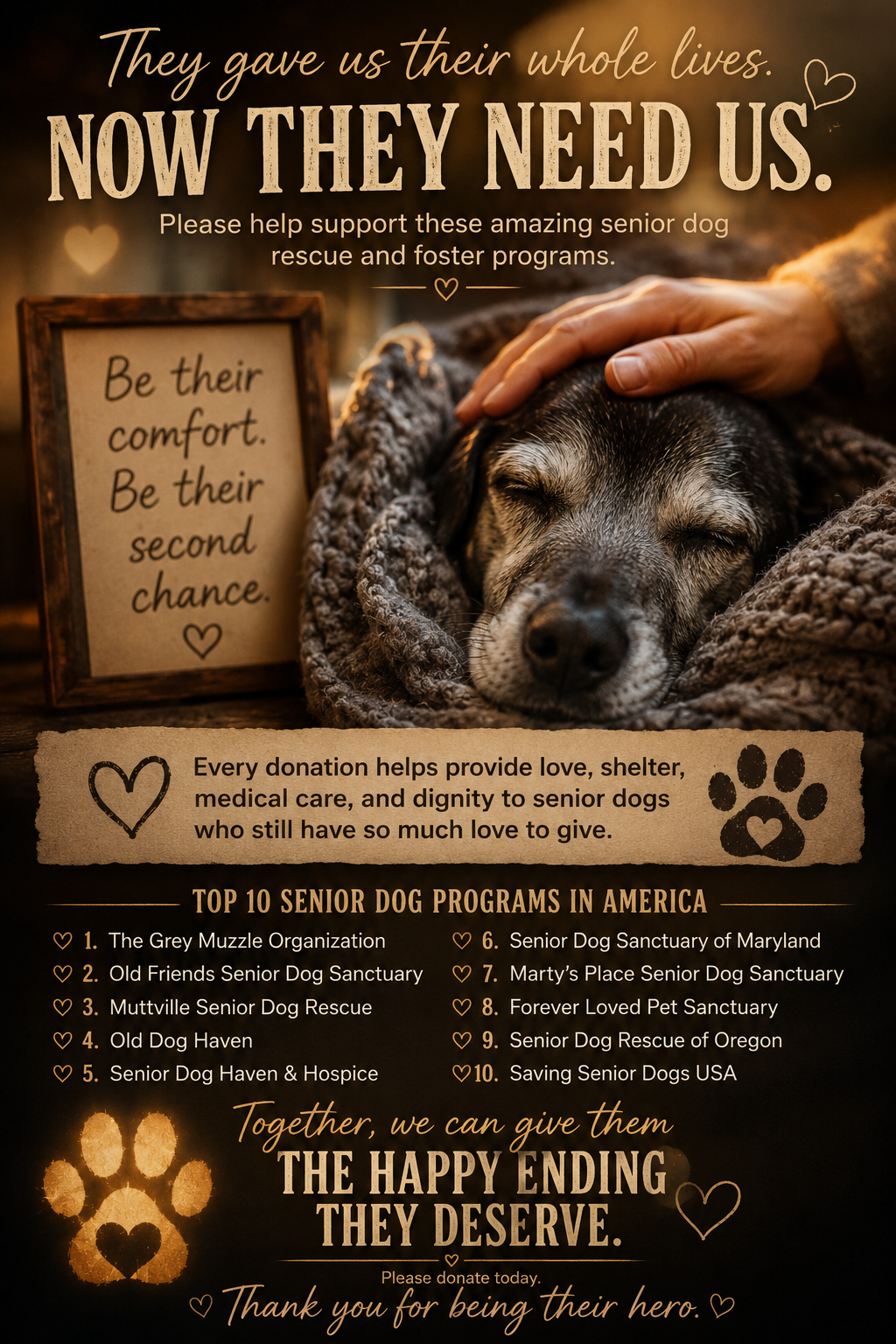
That's how it happens. Not with a phone call. Not with a goodbye. Someone drives to the pound in the dark, ties a fourteen-year-old dog to the front door, and leaves. The dog sits there. Waits. Because that's what they do — they wait for the person who left, and they keep waiting long after that person is gone.
I'm the one who shows up for them after.
The dogs I take are the ones nobody else raises a hand for. The gray-faced ones. The ones with cloudy eyes and bad hips and a bag of pills that costs more per month than most people want to spend on a dog they'll only have a little while. Arthritis. Heart medication. Thyroid. Seizure meds. Teeth that have to come out. The old ones cost money, and they don't get adopted, and everybody knows it — so they sit at the end of the row until their time runs out.
Not on my watch. Not while I can still do something about it.
They come to me scared and stiff and confused about why their whole world disappeared. And then something happens. Maybe a week in, maybe a month. They eat without checking to see if it's allowed. They sleep flat on their side instead of curled tight. They start following me from room to room. That's the moment. That's the whole reason.
Some of them I get for years. Some for four months. It doesn't matter. Every single one of them dies warm, full, medicated, and loved — not tied to a door in the cold wondering what they did wrong.
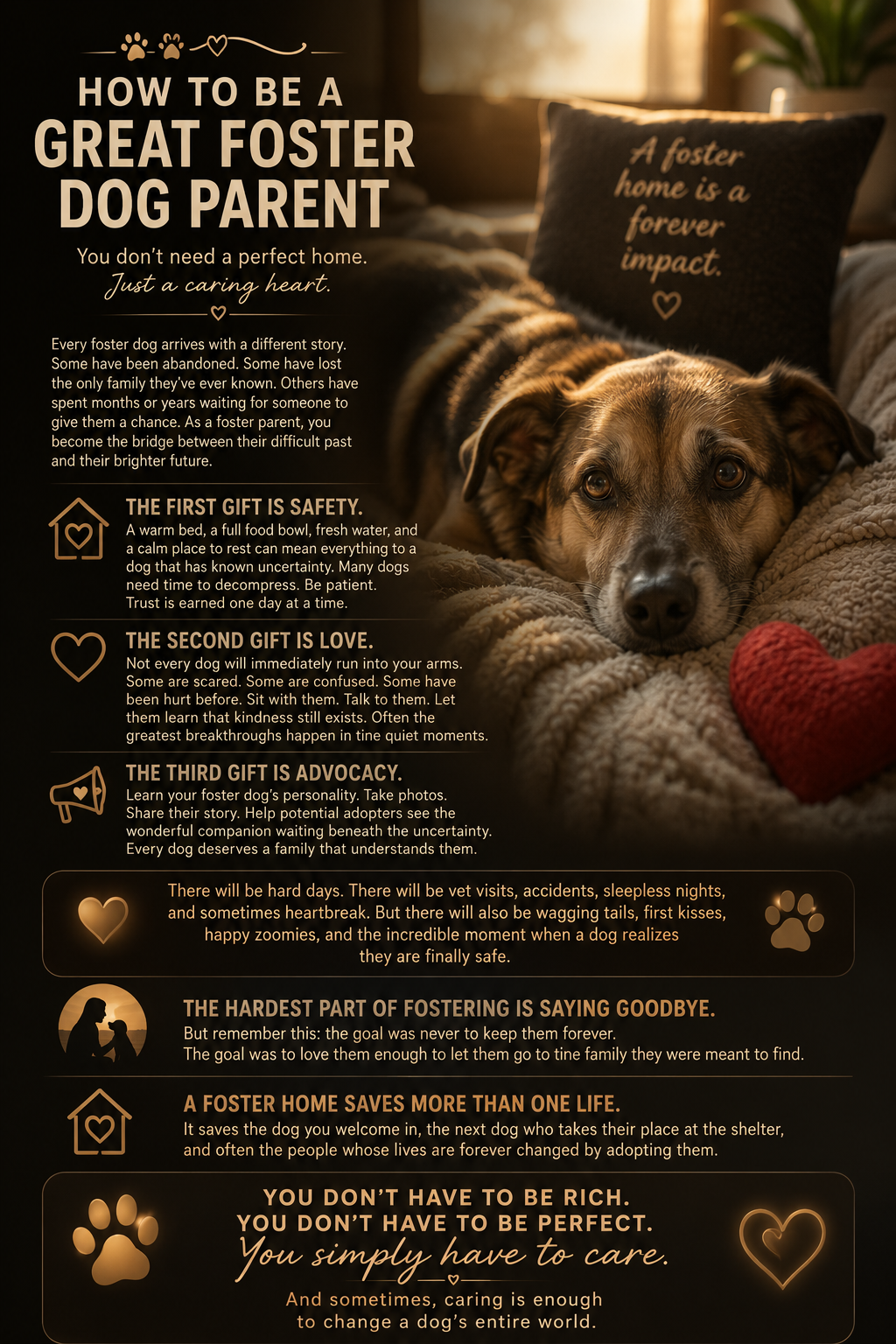
Here's where you come in.
I built a store to pay for it. 100% of proceeds go to the dogs. No humans. No salary. No "administrative fee." It goes to vet bills, prescriptions, senior food, blood panels, dentals, mobility harnesses, and the hospice care that lets an old dog leave this world without pain.
You buy something you actually wanted anyway — and a fifteen-year-old dog gets her medication this month.
They were somebody's dog their entire life. They deserve better than a rope and a locked door.